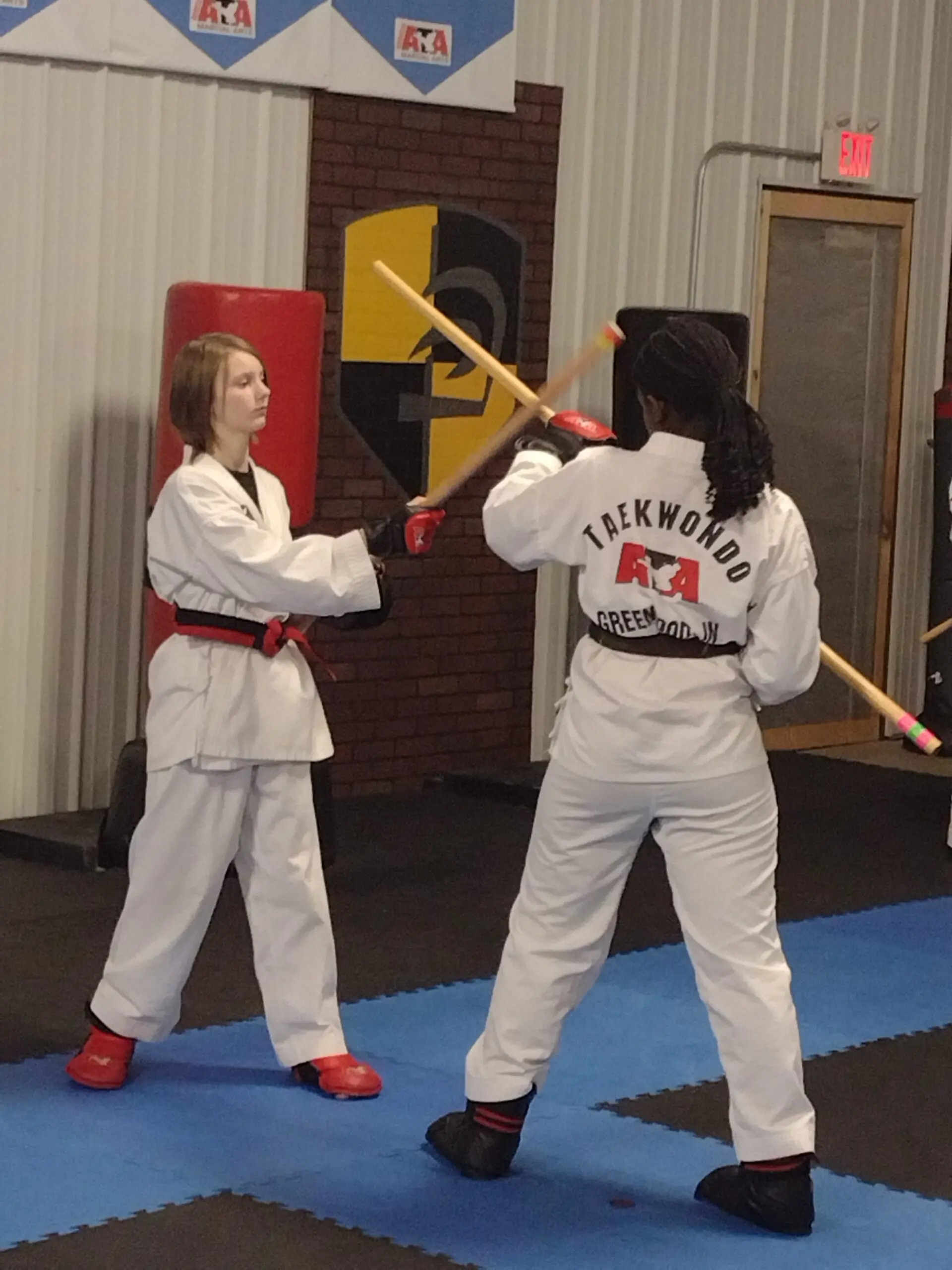
The Confidence & Leadership Scorecard for Teens
A practical guide for parents and teens who want to build confidence, discipline, resilience, self-control, and leadership
Presented by
Pilsung ATA Martial Arts
A Martial Arts-Based Leadership Academy in Greenwood, Indiana
Dear Parent and Teen,
The teen years are a powerful season of life.
They are also challenging.
Teenagers are trying to figure out who they are, where they belong, what they believe, how to handle pressure, and how to prepare for the future. Parents are trying to guide them without controlling every decision.
That is not easy.
Some teens need more confidence.
Some need better focus.
Some need stronger discipline.
Some need a healthier outlet for stress.
Some need positive role models.
Some need to learn how to handle pressure, setbacks, or peer influence.
Some are already strong leaders but need a place where that leadership can grow.
At Pilsung ATA Martial Arts, we believe martial arts can help teens grow into stronger, more focused, more confident leaders.
We are not just teaching kicks, forms, self-defense, and rank progression.
We are using traditional martial arts as a structured path for building confidence, discipline, respect, perseverance, and self-leadership.
This scorecard is designed to help your family reflect on where your teen is now and where martial arts-based leadership training may help them grow.
This is not a pass-or-fail test.
It is a conversation starter.
What We Mean by Teen Leadership
Leadership does not begin with being the loudest person in the room.
Leadership begins with self-control.
Before a teen can lead others, they must learn how to lead themselves.
That means learning how to:
Make good choices under pressure
Stay committed when something gets difficult
Respect themselves and others
Control emotions and reactions
Listen and receive coaching
Build confidence without arrogance
Protect themselves with wisdom and restraint
Encourage others
Set goals and follow through
Stand for something positive
At Pilsung, we believe teen leadership is built through practice.
Martial arts gives teens a place to practice those skills every week in a structured, respectful, challenging, and encouraging environment.
How to Use This Scorecard
For each statement, choose the score that best describes your teen right now.
Use this scoring system:
0 = Not yet
1 = Sometimes
2 = Often
This scorecard can be completed by a parent, by the teen, or by both separately.
For best results, the parent and teen should each complete it, then compare answers respectfully.
The goal is not to argue about the score.
The goal is to understand where growth is possible.
Section 1: Confidence & Self-Belief
Confidence is not pretending to be fearless. Real confidence is the belief that you can face challenges, learn, improve, and keep going.
| Statement | Score |
|---|---|
| I am willing to try difficult things, even if I am not good at them yet. | ___ |
| I can speak up for myself when needed. | ___ |
| I recover after mistakes or embarrassment. | ___ |
| I believe I can improve when I practice consistently. | ___ |
| I would benefit from feeling more confident in school, sports, social situations, or daily life. | ___ |
Section 1 Total: ___ / 10
Reflection
Where does confidence show up most naturally right now?
Where would more confidence make the biggest difference?
Section 2: Focus & Discipline
Focus is the ability to give attention to what matters. Discipline is the ability to keep doing what matters, even when motivation is low.
| Statement | Score |
|---|---|
| I can focus when I know something is important. | ___ |
| I can follow instructions from a coach, teacher, parent, or mentor. | ___ |
| I can work toward a goal over time. | ___ |
| I usually follow through on commitments. | ___ |
| I would benefit from stronger routines, structure, or accountability. | ___ |
Section 2 Total: ___ / 10
Reflection
What goal are you currently working toward?
What usually causes you to lose focus or quit too soon?
Section 3: Respect & Coachability
Respect is not weakness. Respect is strength under control.
Coachability means being willing to learn from someone who is trying to help you grow.
| Statement | Score |
|---|---|
| I can accept correction without taking it as a personal attack. | ___ |
| I show respect to adults, teachers, coaches, parents, and mentors. | ___ |
| I can listen before reacting. | ___ |
| I am willing to learn from people with more experience. | ___ |
| I would benefit from becoming more coachable, patient, or respectful under stress. | ___ |
Section 3 Total: ___ / 10
Reflection
Who is someone you respect, and why?
When is it hardest to receive correction?
Section 4: Stress, Emotions & Self-Control
Teenagers face pressure from school, friendships, expectations, technology, sports, family responsibilities, and the future.
Leadership requires learning how to respond instead of simply reacting.
| Statement | Score |
|---|---|
| I can calm myself down when frustrated, angry, nervous, or overwhelmed. | ___ |
| I have healthy ways to release stress. | ___ |
| I can handle disappointment without giving up completely. | ___ |
| I am learning how to respond instead of react. | ___ |
| I would benefit from a positive physical outlet for stress and pressure. | ___ |
Section 4 Total: ___ / 10
Reflection
What causes the most stress right now?
What helps calm the mind and body in a healthy way?
Section 5: Resilience & Perseverance
Resilience is the ability to recover. Perseverance is the ability to keep going.
Martial arts helps teens practice both.
Every student eventually faces a difficult skill, a hard class, a frustrating correction, or a test that requires extra effort. Those moments help build character.
| Statement | Score |
|---|---|
| I can keep going when something is difficult. | ___ |
| I am willing to practice a skill more than once to improve. | ___ |
| I do not give up immediately when I feel uncomfortable. | ___ |
| I can learn from failure or setbacks. | ___ |
| I would benefit from becoming mentally tougher and more persistent. | ___ |
Section 5 Total: ___ / 10
Reflection
What is one challenge you have already overcome?
Where do you need more perseverance right now?
Section 6: Peer Pressure & Personal Boundaries
Teen leadership includes knowing who you are, what you stand for, and how to make wise choices around other people.
Martial arts is not just about physical self-defense. It also teaches awareness, confidence, boundaries, and self-control.
| Statement | Score |
|---|---|
| I can say no when something does not feel right. | ___ |
| I think about consequences before making choices. | ___ |
| I am aware of who influences me and how they influence me. | ___ |
| I can set boundaries with friends, classmates, or peers. | ___ |
| I would benefit from more confidence in handling pressure or conflict. | ___ |
Section 6 Total: ___ / 10
Reflection
Where do you feel the most pressure to fit in?
What boundary would make life healthier or less stressful?
Section 7: Physical Confidence & Self-Defense Awareness
Physical confidence does not mean looking for conflict.
It means carrying yourself with awareness, learning how to move well, becoming stronger, and knowing how to protect yourself with wisdom and restraint.
| Statement | Score |
|---|---|
| I feel comfortable learning physical skills in a structured environment. | ___ |
| I would like to become stronger, more coordinated, or more physically confident. | ___ |
| I understand that self-defense begins with awareness and good decisions. | ___ |
| I can train safely and respectfully with others. | ___ |
| I would benefit from learning practical self-defense skills and confidence. | ___ |
Section 7 Total: ___ / 10
Reflection
Where would greater physical confidence help most?
What does responsible self-defense mean to you?
Section 8: Leadership & Positive Influence
Leadership is not only about being in charge.
Leadership is about becoming the kind of person others can trust.
A teen leader learns to encourage others, make good choices, take responsibility, and set an example.
| Statement | Score |
|---|---|
| I can be a positive example to others. | ___ |
| I am willing to help, encourage, or support people around me. | ___ |
| I take responsibility when I make a mistake. | ___ |
| I want to become someone others can trust and respect. | ___ |
| I would benefit from structured leadership training and positive mentorship. | ___ |
Section 8 Total: ___ / 10
Reflection
Who do you influence right now?
What kind of leader do you want to become?
Section 9: Parent Support & Partnership
Teen growth works best when parents and mentors are aligned.
Martial arts is not a quick fix. It is a growth process. A teen’s success is strengthened when parents provide encouragement, consistency, and support.
| Statement | Score |
|---|---|
| I am willing to support my teen’s growth with consistency. | ___ |
| I understand that confidence and leadership are built over time. | ___ |
| I want my teen to be challenged in a positive, respectful environment. | ___ |
| I am open to partnering with instructors to support my teen’s development. | ___ |
| I want my teen to build life skills, not just physical skills. | ___ |
Section 9 Total: ___ / 10
Parent Reflection
What is the biggest reason you are considering martial arts for your teen?
What change would make the biggest difference in your teen’s life?
Your Teen Confidence & Leadership Score
Add the totals from each section.
Confidence & Self-Belief: ___ / 10
Focus & Discipline: ___ / 10
Respect & Coachability: ___ / 10
Stress, Emotions & Self-Control: ___ / 10
Resilience & Perseverance: ___ / 10
Peer Pressure & Personal Boundaries: ___ / 10
Physical Confidence & Self-Defense Awareness: ___ / 10
Leadership & Positive Influence: ___ / 10
Parent Support & Partnership: ___ / 10
Total Score: ___ / 90
What Your Score May Mean
0–30: A Supportive Starting Point May Be Helpful
A score in this range may mean your teen could benefit from a positive, structured environment that builds confidence, discipline, emotional control, respect, and resilience in small steps.
This does not mean your teen is not capable.
It may mean they need support, mentorship, structure, and healthy challenge.
Martial arts can be a powerful starting point because progress is built one class, one skill, and one small victory at a time.
Best next step:
Schedule a Family Meeting to talk through goals, concerns, and readiness.
31–55: Ready with Guidance and Accountability
A score in this range often means your teen has several strengths but may still need support with confidence, discipline, consistency, stress management, self-control, or leadership.
This is a common and healthy place to begin.
Many teens do not need more pressure. They need better structure, positive mentors, and a place where effort turns into visible progress.
Best next step:
Begin with a Teen Leadership Discovery Program so your teen can experience class, meet the instructors, and see whether the environment feels like a good fit.
56–75: Strong Candidate for Martial Arts-Based Leadership Training
A score in this range suggests your teen may be ready for structured martial arts training and leadership development.
They may already show coachability, discipline, self-awareness, or confidence, but still have room to grow.
Martial arts can help turn those strengths into habits.
Best next step:
Schedule a Leadership Goal Review and discuss the best path for training, rank progression, and future leadership development.
76–90: Ready for a Deeper Leadership Path
A score in this range suggests your teen may be a strong candidate for more advanced leadership development.
They may respond well to goal-setting, rank progression, mentoring, service, assistant leadership opportunities, and positive challenge.
This does not mean training will always be easy.
It means your teen may be ready to grow through a meaningful path that challenges both skill and character.
Best next step:
Ask about the Pilsung Leadership pathway and how teens can grow from student to role model.
Important Note for Parents and Teens
A lower score does not mean failure.
A higher score does not mean perfection.
This scorecard is not a diagnosis, label, or judgment.
It is a tool for reflection.
The real purpose is to ask:
Where are the strengths?
Where is growth needed?
What kind of environment would help?
What kind of leader is this teen becoming?
At Pilsung, we believe leadership is practiced.
Confidence is practiced.
Discipline is practiced.
Respect is practiced.
Self-control is practiced.
Perseverance is practiced.
Courage is practiced.
That is why martial arts can be so powerful for teenagers.
The Pilsung Teen Leadership Method
At Pilsung ATA Martial Arts, we use traditional martial arts to help teens grow in six key areas.
1. Self-Respect
Teens learn to carry themselves with confidence, humility, and personal responsibility.
2. Focus
Teens practice attention, discipline, and mental control through structured training.
3. Confidence
Teens build confidence through earned progress, not empty praise.
4. Discipline
Teens learn to set goals, follow through, and keep showing up.
5. Resilience
Teens learn how to handle setbacks, frustration, pressure, and challenge.
6. Leadership
Teens learn to lead themselves first, then become positive examples for others.
This is what makes Pilsung more than a place to take martial arts classes.
It is a martial arts-based Leadership Academy.
Common Teen Concerns
“What if I have never done martial arts before?”
You do not need experience to begin. Every black belt started as a beginner. The goal is not to be perfect on day one. The goal is to start learning.
“What if I am not athletic?”
Martial arts helps you build coordination, strength, flexibility, and confidence over time. You do not have to already be athletic to benefit.
“What if I feel awkward?”
Most people feel awkward when they start something new. Confidence grows when you keep showing up, practicing, and realizing you can improve.
“What if I am shy?”
You do not have to be loud to be a leader. Quiet confidence is still confidence. Martial arts helps students grow at their own pace while learning to stand taller and believe in themselves.
“What if I am already involved in sports or activities?”
Martial arts can support other activities by improving focus, body control, discipline, confidence, balance, flexibility, and mental toughness.
“Is this about fighting?”
No. Traditional martial arts teaches respect, self-control, awareness, confidence, and responsibility. Physical skills matter, but true self-defense begins with wise choices and controlled behavior.
Signs Your Teen May Benefit from Martial Arts
Your teen may benefit from martial arts-based leadership training if they need or want to:
Build more confidence
Improve focus and discipline
Develop better self-control
Handle stress in a healthier way
Become more physically confident
Learn practical self-defense awareness
Build resilience
Find positive mentors
Develop respect and responsibility
Prepare for leadership opportunities
Become a stronger version of themselves
Parent and Teen Conversation Page
Use these questions to start a calm conversation.
Teen Questions
The area where I feel strongest right now is:
The area where I want to grow most is:
One challenge I am currently facing is:
One leadership quality I want to build is:
If martial arts helped me grow, I would want to see:
Parent Questions
The strength I see in my teen is:
The area where I would love to see growth is:
The reason I believe martial arts may help is:
The kind of mentor or environment I want for my teen is:
If my teen grew through martial arts, I would most want to see:
The Next Step: The Pilsung Teen Leadership Discovery Program
If this scorecard helped your family see that martial arts may be a good next step, the next step is not a long-term commitment.
The next step is a conversation and an experience.
The Pilsung Teen Leadership Discovery Program is designed to help teens and parents experience our academy, meet our instructors, identify leadership goals, and discover whether martial arts-based training is the right fit.
Your Teen Leadership Discovery Program includes:
A 1-on-1 Family Meeting
A Teen Leadership Goal Review
Beginner-friendly classes
A chance to experience the academy environment
A clear recommendation for the best next step
This is a supportive starting point for families who want more than another activity.
It is for parents and teens who want growth in confidence, discipline, focus, respect, resilience, self-defense awareness, and leadership.
Final Action Plan
After completing this scorecard, choose the next best step.
[ ] Talk through the scorecard as a family
[ ] Identify the top 1–2 growth areas
[ ] Ask a question about teen martial arts training
[ ] Schedule a Family Meeting
[ ] Start the Teen Leadership Discovery Program
[ ] Revisit this scorecard later
My top leadership growth area is:
My next step is:
The date I will take that step is:
A Final Word from Pilsung
Teenagers do not need to have everything figured out before they begin martial arts.
They do not need to be fearless.
They do not need to be naturally athletic.
They do not need to be outgoing.
They do not need to already see themselves as leaders.
They simply need a place where they can practice becoming stronger, more focused, more confident, more disciplined, and more prepared for life.
At Pilsung ATA Martial Arts, we believe leadership is built through consistent practice.
Every class is an opportunity to become better.
Every challenge is an opportunity to grow.
Every student has the opportunity to pursue personal victory.
We would be honored to help your family take the next step.
Pilsung ATA Martial Arts
A Martial Arts-Based Leadership Academy
Greenwood, Indiana