How Kids Martial Arts in Greenwood Helps Children Build Confidence, Focus, Discipline, and Real-World Leadership Skills
For children between the ages of 7 and 12, life gets bigger.
School becomes more demanding. Friendships become more important. Expectations grow. Children begin to notice how they compare themselves to others. They may struggle with confidence, focus, frustration, responsibility, or finding their place.
This is also an important age for leadership.
Leadership at this stage does not mean a child has to be the loudest in the room or naturally outgoing.
Leadership means learning how to lead themselves.
It means learning how to:
- Listen when it matters.
- Respect others and themselves.
- Stay focused through challenges.
- Follow through on commitments.
- Handle frustration without giving up.
- Make better choices under pressure.
- Stand up with confidence.
- Encourage and influence others in a positive way.
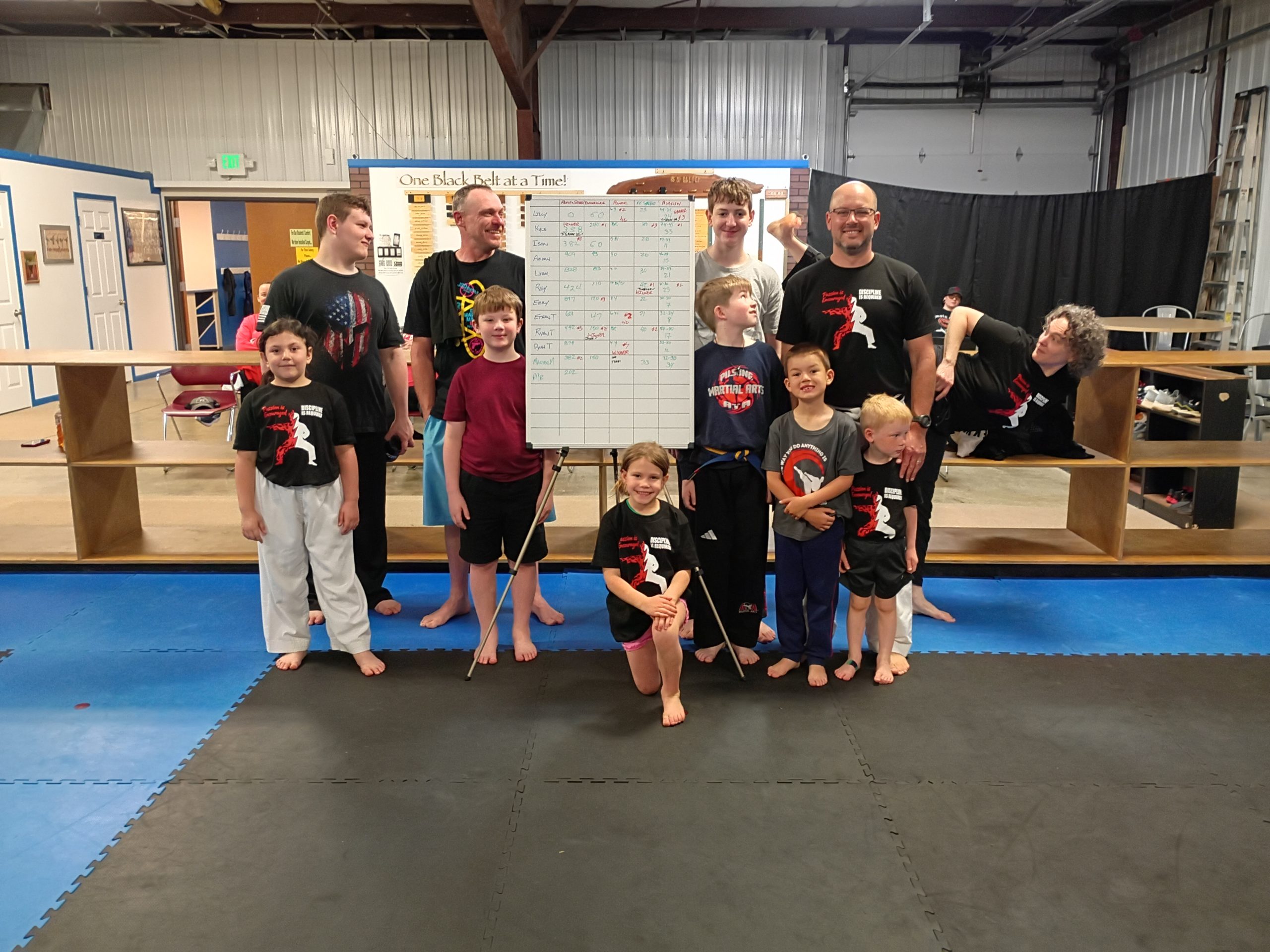
At Pilsung ATA Martial Arts in Greenwood, Indiana, we use traditional ATA Taekwondo as more than an after-school activity.
We use martial arts as a structured path for helping students become stronger in body, mind, character, and leadership.
For kids ages 7–12, martial arts is not just about kicks, blocks, forms, and sparring.
It is about building the habits that help children succeed at school, at home, in friendships, in sports, and throughout life.
What Does Leadership Look Like for Kids Ages 7–12?
A child begins developing leadership long before they become a team captain, student council member, or instructor.
Leadership shows up in everyday moments.
A child may be practicing leadership when they:
- Make eye contact and listen.
- Follow directions without repeated reminders.
- Speak respectfully when frustrated.
- Take responsibility for a mistake.
- Try again after a difficult class, test, or practice.
- Encourage a classmate.
- Keep a promise.
- Set a goal and work toward it.
- Handle losing without quitting.
- Stand up for themselves with confidence and self-control.
At Pilsung, we believe those skills are not simply taught once.
They are practiced.
Every class gives students another opportunity to focus, listen, move with control, face a challenge, improve a skill, and discover that they are capable of more.
That is how confidence becomes real.
That is how leadership begins.
Confidence is not pretending to have no fear.
Confidence is knowing that even when something feels difficult, new, or uncomfortable, you can take the next step.
For children ages 7–12, confidence often grows through small but meaningful victories:
- Trying a new kick or form.
- Speaking loudly enough to be heard.
- Standing in front of classmates.
- Learning from a correction.
- Completing a difficult drill.
- Testing for a new belt rank.
- Returning to class after feeling nervous.
- Working through a challenge instead of quitting.
- Helping a newer student feel welcome.
These wins may seem small to an adult, but they matter deeply to a child.
Each one sends the message:
“I can learn.”
“I can improve.”
“I can handle hard things.”
“I belong here.”
At Pilsung, we call this Personal Victory.
Every student’s personal victory may look different.
For one child, it may be using a stronger voice. For another, it may be making a new friend. For another, it may be staying focused through a full class or earning a stripe after practicing consistently.
Confidence is not handed to students.
It is earned through effort, repetition, encouragement, and progress.
Leadership Lesson
Confidence grows when I do hard things.
2. Martial Arts Helps Kids Strengthen Focus
Many parents of children ages 7–12 are looking for help with focus.
They may notice that their child struggles to complete homework, follow multi-step directions, stay on task, listen during conversations, or move past distractions from screens, friends, and everyday life.
Martial arts gives children a practical place to practice focus.
In a kids Taekwondo class, students learn to:
- Stand ready.
- Watch the instructor.
- Listen for details.
- Follow a sequence.
- Remember movements.
- Respond quickly to commands.
- Stay engaged in a group environment.
- Finish what they begin.
The goal is not perfection.
The goal is practice.
A child who learns to focus during martial arts class is developing a skill that can carry into school, sports, chores, family routines, and future responsibilities.
At Pilsung ATA Martial Arts, students are challenged to pay attention with their whole body.
They learn that focus means being present.
Leadership Lesson
My mind is where my body is.
3. Martial Arts Teaches Discipline and Follow-Through
Discipline is one of the most valuable leadership skills a child can develop.
Discipline does not mean punishment.
It means learning to do what helps you grow, even when you do not feel like doing it.
For children, discipline can look like:
- Showing up consistently.
- Completing a task.
- Practicing a skill.
- Listening the first time.
- Taking care of equipment.
- Being prepared for class.
- Continuing after a mistake.
- Finishing homework before screen time.
- Keeping a commitment.
- Doing the right thing without being reminded repeatedly.
Martial arts provides a clear structure for practicing those habits.
Students learn that belt rank is not earned through talent alone.
Progress comes through attendance, effort, respect, learning, practice, and perseverance.
That is a powerful lesson for a child between the ages of 7 and 12.
They begin to understand that success is not always about being the best right away.
Success is about becoming more capable through consistent effort.
Leadership Lesson
Discipline means I do what helps me grow.
4. Martial Arts Helps Children Handle Frustration and Build Resilience
Children in this age group are learning how to handle setbacks.
They may lose a game, receive a disappointing grade, struggle with friendships, feel embarrassed, make a mistake, or become frustrated when something does not come easily.
Those moments are not failures.
They are opportunities to build resilience.
Martial arts naturally gives students safe, age-appropriate challenges.
A student may not learn a form immediately. They may have trouble with balance, coordination, memory, timing, or a new technique. They may not earn a stripe as quickly as they hoped.
But with good instruction, they learn something important:
“I can try again.”
At Pilsung, students are encouraged to face challenges without shame.
They are corrected with care.
They are expected to work.
They are celebrated for growth.
That combination helps children build the resilience to handle frustration without shutting down, exploding, or giving up too quickly.
Leadership Lesson
A setback is not the end. It is a chance to try again.
5. Martial Arts Builds Respect and Positive Social Skills
Children ages 7–12 are learning how to navigate friendships, competition, teamwork, conflict, and social pressure.
They need places where expectations are clear and respect is practiced.
In martial arts, students learn to:
- Treat instructors with respect.
- Encourage classmates.
- Take turns.
- Follow safety rules.
- Train without bullying.
- Keep hands and feet to themselves.
- Speak clearly and respectfully.
- Accept correction.
- Be accountable for their actions.
- Show humility when they succeed.
Respect is not weakness.
Respect is strength under control.
At Pilsung ATA Martial Arts, students learn that leadership includes the way they treat people around them.
A strong student does not need to put others down.
A strong student can be confident, kind, disciplined, and respectful at the same time.
Leadership Lesson
Respect is how strong leaders treat people.
6. Martial Arts Develops Physical Confidence and Self-Defense Awareness
Kids martial arts helps children become more comfortable in their own bodies.
They practice balance, coordination, flexibility, strength, movement, awareness, and athletic skill in a structured setting.
For children who already enjoy sports, martial arts can build body control, focus, discipline, and confidence that support other activities.
For children who do not see themselves as athletic, martial arts can provide an individual growth path within a positive group environment.
Every student can improve.
Self-defense is also an important part of the conversation.
But responsible self-defense is not about teaching children to fight.
It is about teaching children:
- Awareness.
- Boundaries.
- Confidence.
- Safe movement.
- Respectful restraint.
- When to get help.
- How to use their voice.
- How to avoid unnecessary conflict.
- How to protect themselves if needed.
At Pilsung, martial arts skills are taught with responsibility.
Students learn that their strength is not for showing off, threatening others, or starting problems.
Their strength is for personal growth, safety, confidence, and wise decision-making.
Leadership Lesson
Strong people use their skills wisely.
7. Martial Arts Gives Kids Positive Role Models and a Leadership Environment
Children are shaped by the environments around them.
They notice whether adults are patient. They notice whether rules are consistent. They notice whether mistakes are met with encouragement or embarrassment. They notice how older students behave.
That is why the culture of a martial arts academy matters.
At Pilsung, our goal is to create a leadership environment where children feel:
- Welcomed.
- Seen.
- Safe.
- Challenged.
- Encouraged.
- Accountable.
- Proud of their effort.
- Connected to positive role models.
Students are not expected to be perfect.
They are expected to grow.
They learn that being a leader means setting a good example, encouraging others, practicing self-control, taking responsibility, and continuing to improve.
For many children, martial arts becomes more than one class during the week.
It becomes a place where they begin to see themselves differently.
Not as a child who is “too shy,” “too distracted,” “not athletic,” or “always in trouble.”
But as a student who can learn, improve, lead, and pursue Personal Victory.
Leadership Lesson
Leadership begins when I choose to become better.
Is My Child Ready for Martial Arts?
Parents often ask whether their child is ready for kids martial arts.
The better question may be:
“Would my child benefit from a positive place to practice confidence, focus, discipline, respect, and leadership?”
Your child may benefit from kids martial arts in Greenwood if they need or want:
- More confidence.
- Better focus.
- A positive outlet for energy.
- Structure and routine.
- More discipline and follow-through.
- Support with self-control.
- A healthy way to handle stress.
- Positive friendships and role models.
- Better physical coordination.
- Self-defense awareness.
- A place where effort is recognized.
- A meaningful challenge.
A child does not need to be naturally athletic.
They do not need to already have perfect focus.
They do not need to be outgoing.
They simply need an environment where they can practice becoming stronger.
Why Greenwood Families Choose Pilsung ATA Martial Arts
Pilsung ATA Martial Arts is more than a place for children to learn kicks and punches.
We are a martial arts-based Leadership Academy for Greenwood families.
Our kids martial arts program for ages 7–12 is designed to help students grow in:
- Respect
- Focus
- Confidence
- Discipline
- Resilience
- Physical fitness
- Self-defense awareness
- Social skills
- Positive decision-making
- Leadership
We believe every child has strengths worth developing.
We also believe every child can grow.
Our job is to meet students where they are, encourage them, challenge them, and help them discover what they are capable of becoming.
That is the Pilsung approach.
Strong bodies. Focused minds. Steady character. Future leaders.
Start Your Child’s Leadership Journey
Your child does not need to have everything figured out before they begin.
They do not need to be fearless.
They do not need to be a natural athlete.
They do not need to be perfectly focused.
They simply need the opportunity to take the next step.
At Pilsung ATA Martial Arts in Greenwood, Indiana, children ages 7–12 can begin building confidence, discipline, focus, respect, fitness, and leadership through traditional ATA Taekwondo.
Start with the Pilsung Leadership Discovery Program.
Your family can meet with our team, discuss your child’s goals, experience beginner-friendly classes, and discover whether Pilsung is the right place for your child to grow.
Help your child begin their path toward Confidence, Leadership, Personal Victory, and Mastery.
Frequently Asked Questions About Kids Martial Arts for Ages 7–12 in Greenwood
What age is best for kids martial arts?
Children can begin martial arts at different ages depending on the program and their readiness. At Pilsung ATA Martial Arts, the Kids Taekwondo program is designed for students ages 7–12 and gives them an age-appropriate structure for practicing confidence, focus, respect, discipline, and martial arts skills.
Can martial arts help my child become more confident?
Martial arts can help children build confidence through earned progress. Students learn new skills, face manageable challenges, receive coaching, practice consistently, and see themselves improve over time.
Can martial arts help with focus and discipline?
Martial arts gives children repeated practice listening, following directions, remembering movements, completing tasks, and working toward goals. These habits can support stronger focus and discipline over time.
Is martial arts safe for children ages 7–12?
A well-run kids martial arts program should use age-appropriate instruction, clear rules, instructor supervision, structured activities, and an emphasis on respect and self-control. Parents should always choose a program that makes safety, positive coaching, and student development a priority.
Will martial arts make my child aggressive?
Traditional martial arts should teach the opposite. At Pilsung, students learn respect, self-control, responsibility, and that martial arts skills are not for bullying, showing off, or starting fights.
What if my child is not athletic?
Martial arts can be a good fit for children who do not see themselves as naturally athletic. Each student progresses at their own pace while building coordination, balance, confidence, body awareness, and skill through practice.
Can martial arts help with bullying or peer pressure?
Martial arts can help children practice confidence, boundaries, respectful communication, awareness, and self-control. It can also give children a positive environment where they are encouraged to stand tall, make wise choices, and seek help when needed.
What should my child wear to their first martial arts class?
Your child should wear comfortable clothes that allow them to move easily. Pilsung will provide your family with details about what to wear, what to bring, and what to expect before the first class.
Can parents watch kids martial arts classes?
Parents are encouraged to stay connected to their child’s growth. Watching class can help parents see the structure, coaching, leadership lessons, and progress their child is making.
What makes Pilsung different from other kids activities in Greenwood?
Pilsung ATA Martial Arts combines traditional martial arts training with a leadership-focused approach. Students practice confidence, focus, respect, discipline, resilience, self-defense awareness, and Personal Victory in a structured, encouraging environment.